
- +52 624 192 6788
Whale Watching in Baja California Sur: Giants of Baja
Share:


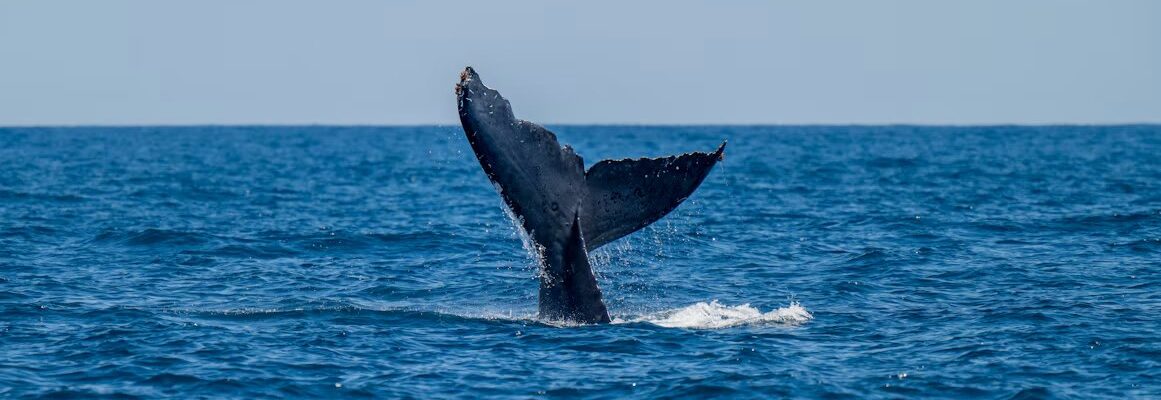
Every winter, whale watching season in Baja California Sur brings some of the largest animals on the planet to our waters. Between the Pacific Ocean and the Sea of Cortez, five giants set the calendar for those of us who live here: the gray whale, the blue whale, the whale shark, the orca and the humpback whale.
We put together this guide to whale watching in Baja California Sur and the other ocean giants, so you know where and when to see each one. It uses the official 2026–2027 season dates that Mexico’s Ministry of Environment (Semarnat) published in the Diario Oficial de la Federación on October 30, 2026, along with data from Mexico’s National Commission of Natural Protected Areas (CONANP) and NOAA Fisheries.
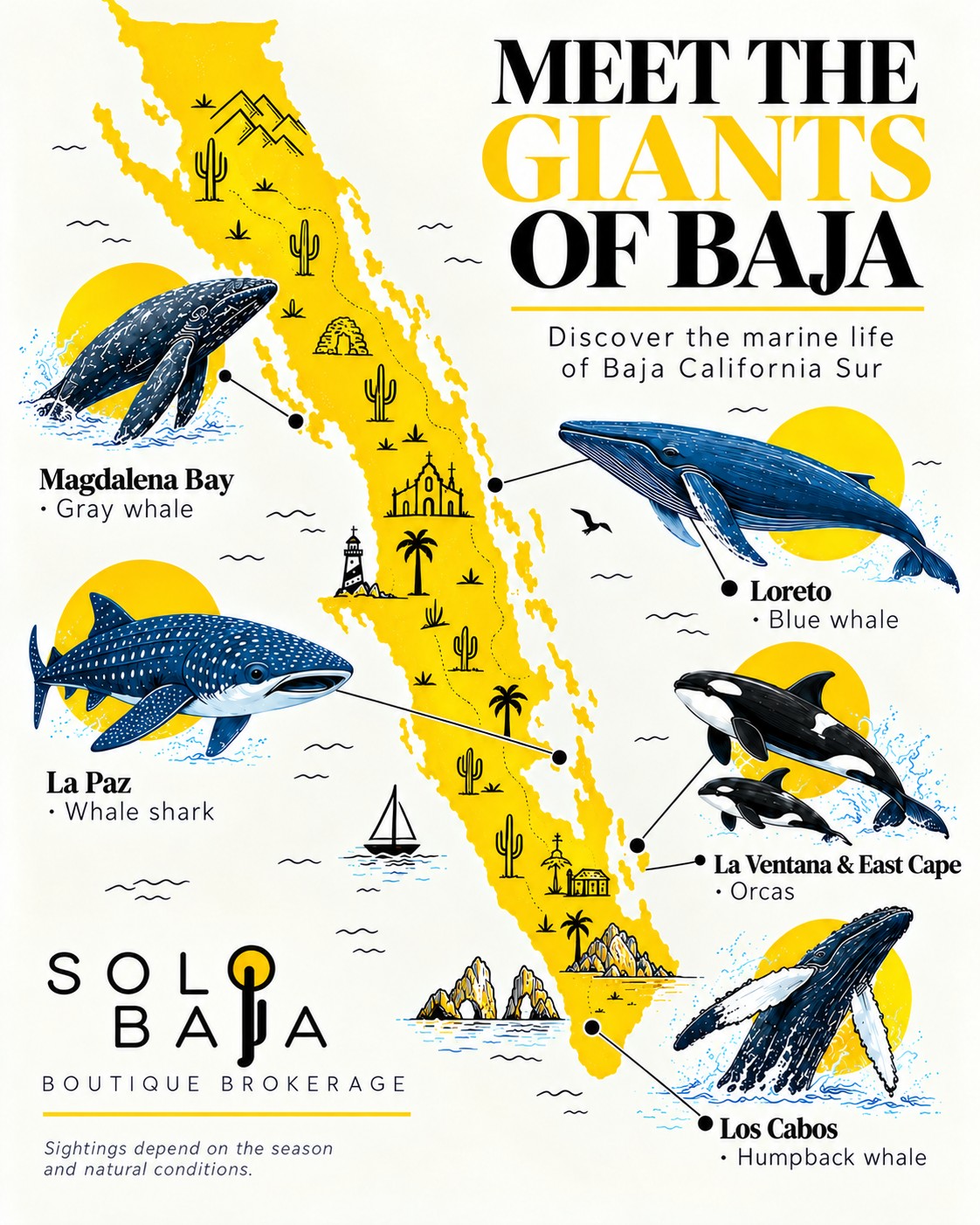
At a Glance: Whale Watching and Other Giants in Baja California Sur
| Species | Where to see it |
|---|---|
| Gray whale | Magdalena Bay and Almejas Bay (Puerto Adolfo López Mateos, Puerto San Carlos and Puerto Chale) SeasonJanuary 1 to April 30, 2027 |
| Blue whale | Bahía de Loreto National Park SeasonJanuary 1 to April 30, 2027. Best time: February and March |
| Whale shark | Bay of La Paz SeasonUsually October to April. Opening depends on CONANP counts |
| Orca | El Sargento, La Ventana and the East Cape SeasonNo fixed season. Local operators report more encounters from May to July |
| Humpback whale | Cabo San Lucas, San José del Cabo and Cabo Pulmo SeasonDecember 15, 2026 to April 30, 2027 |
Gray Whales in Magdalena Bay
The gray whale (Eschrichtius robustus) grows to 42–49 feet (13–15 m) and weighs about 90,000 pounds. Each year it travels about 10,000 miles round trip, and in some cases more than 14,000, between its feeding grounds in the Bering and Chukchi seas and the lagoons of Baja California, where females give birth and nurse their calves.
The Magdalena Bay–Almejas Bay lagoon complex, on Baja California Sur’s Pacific coast, is one of their main breeding and calving areas, along with the Ojo de Liebre and San Ignacio lagoons. For the 2026–2027 season, the official notice allows whale watching from January 1 to April 30, 2027, departing from Puerto Adolfo López Mateos (Santo Domingo Lagoon), Puerto San Carlos (inside Magdalena Bay) and Puerto Chale and Puerto Cancún (Almejas Bay).
Seeing them is also a way to follow their story. According to NOAA Fisheries, the eastern North Pacific population fell to about 12,890 whales in 2025, the lowest since the 1970s, and only about 85 calves were estimated on that year’s northbound migration, the fewest on record. The 2026 estimate rose to about 17,750 whales (between 15,930 and 20,530), still well below the peak of roughly 27,000 in 2015–2016.
Blue Whales in Bahía de Loreto National Park
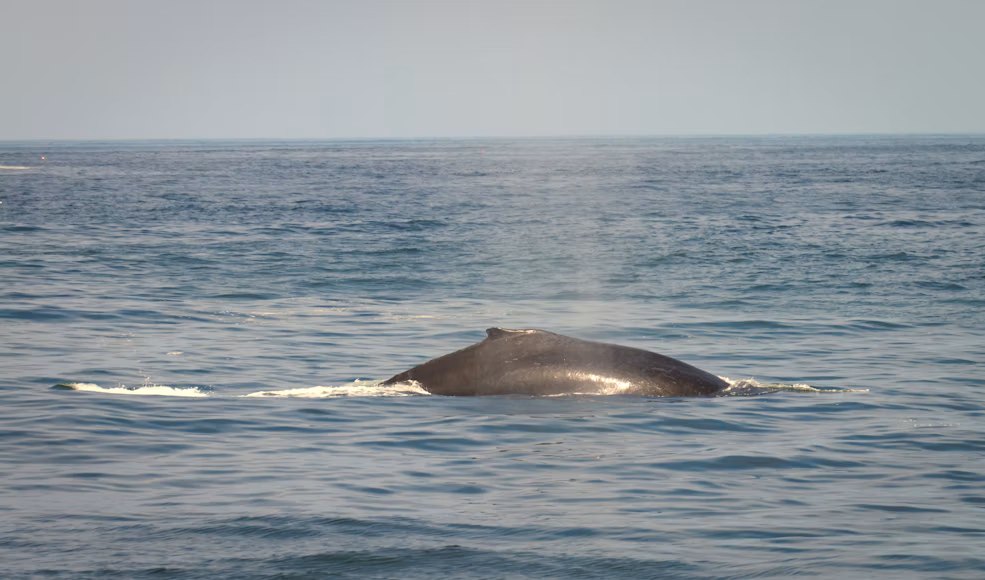
The blue whale (Balaenoptera musculus) is the largest animal on Earth. The biggest individuals, recorded in Antarctic waters, reach about 110 feet (33 m) and weigh more than 330,000 pounds. NOAA Fisheries notes that blue whales with young calves are regularly observed in the Gulf of California from December through March, which is why the area is considered an important calving and nursing ground for the species.
Its main stage in Baja California Sur is Bahía de Loreto National Park, established in 1996, covering more than 206,000 hectares (about 510,000 acres) and five islands: Coronados, Carmen, Danzante, Montserrat and Santa Catalina. Since 2005 it has been part of the UNESCO World Heritage site “Islands and Protected Areas of the Gulf of California.” The official 2026–2027 season runs from January 1 to April 30, 2027 in the park and its surrounding area, and February is usually the best month to see them.
The 2026 season was an especially good one: CONANP recorded 37 blue whales in the park, including two calves, and in March it announced the sighting of an albino blue whale, a first for the bay.
Whale Sharks in the Bay of La Paz
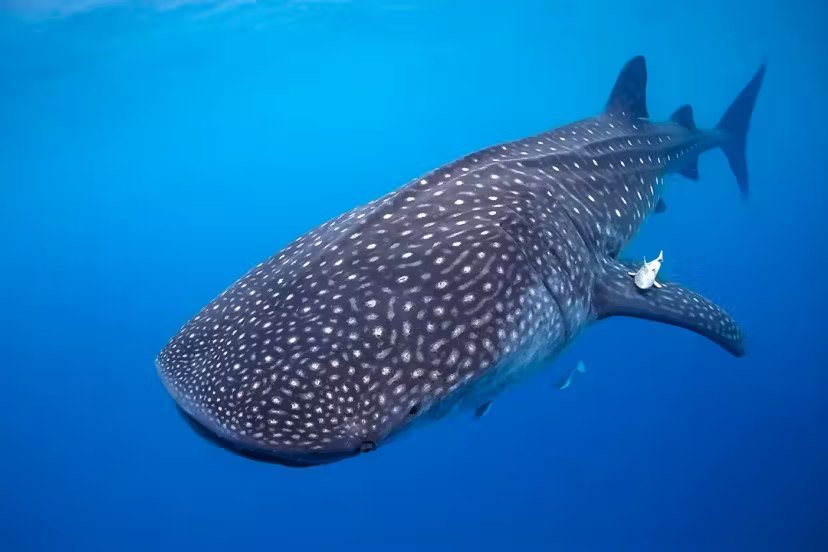
The whale shark (Rhincodon typus) is not a whale: it is the largest fish on the planet. It reaches maturity at around 30 feet (9 m) and is thought to grow to about 65 feet (20 m). It feeds by filtering plankton and small fish, and since 2016 the IUCN has listed it as Endangered.
The Bay of La Paz hosts one of Mexico’s best-known whale shark aggregations. It is made up mostly of juveniles under 26 to 30 feet (8–9 m), most of them males, that come to the bay to feed. Swimming takes place inside a refuge area with designated zones, and in recent seasons CONANP has opened it from October 1 to April 30. The opening depends on enough sharks being present: in 2025 swimming was suspended because too few sharks were in the bay, and the 2025–2026 season was already open by late November 2025.
Only operators authorized by Semarnat’s Directorate General of Wildlife and by CONANP may run tours, and their boats must fly an official flag showing the permit number. Touching or feeding the sharks, or swimming into their path, is not allowed. Curious about the state capital? Read why Forbes named La Paz a must-visit destination for 2026.
Orcas in La Ventana and the East Cape
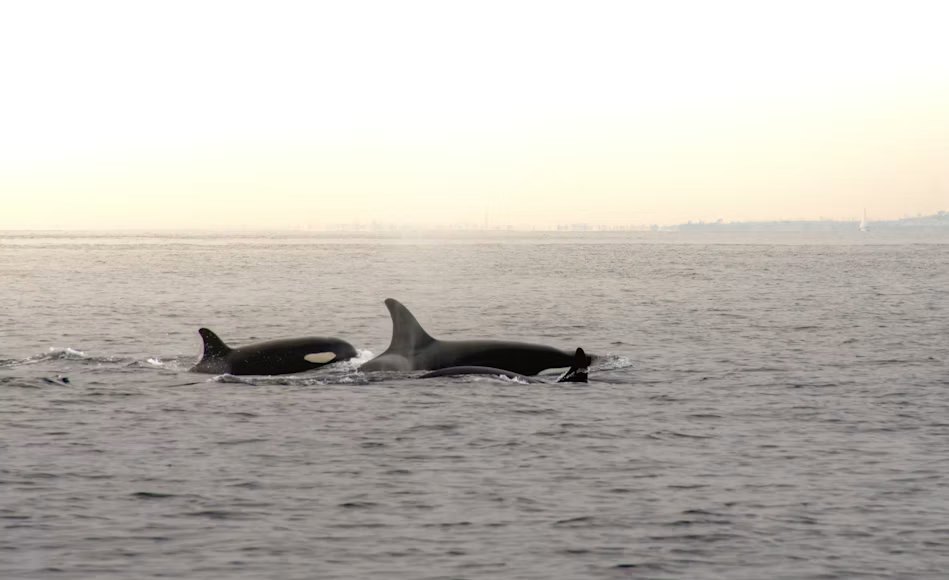
The orca (Orcinus orca) is the largest member of the dolphin family: it can reach about 32 feet (9.7 m) and weigh up to 11 tons. In the southern Sea of Cortez it feeds on fish, rays and mobula rays, among other prey, and the waters off El Sargento and La Ventana, next to Cerralvo Island (now Jacques Cousteau Island), have become one of the best places in Mexico to see them.
In 2025, Semarnat published a management plan (Plan de Manejo Tipo) for watching and swimming with orcas in a 110,906-hectare zone (about 274,000 acres) off La Ventana, the first regulation of its kind in Mexico. Only operators authorized by the Directorate General of Wildlife may run tours, and drones for tourism, sunscreen, physical contact with the animals and underwater flash are among the things prohibited. The same zone appears in the 2026–2027 whale watching season notice, from December 15, 2026 to April 30, 2027.
Orcas have no fixed season, and local operators report more encounters from May to July, when large schools of mobula rays gather. Farther south on the East Cape, they are also sometimes seen off Cabo Pulmo, a national park created in 1995 whose fish biomass grew by 463% between 1999 and 2009. According to a study published in PLOS ONE in 2011, it was the largest recovery measured in a marine reserve worldwide at the time.
Humpback Whales in Los Cabos
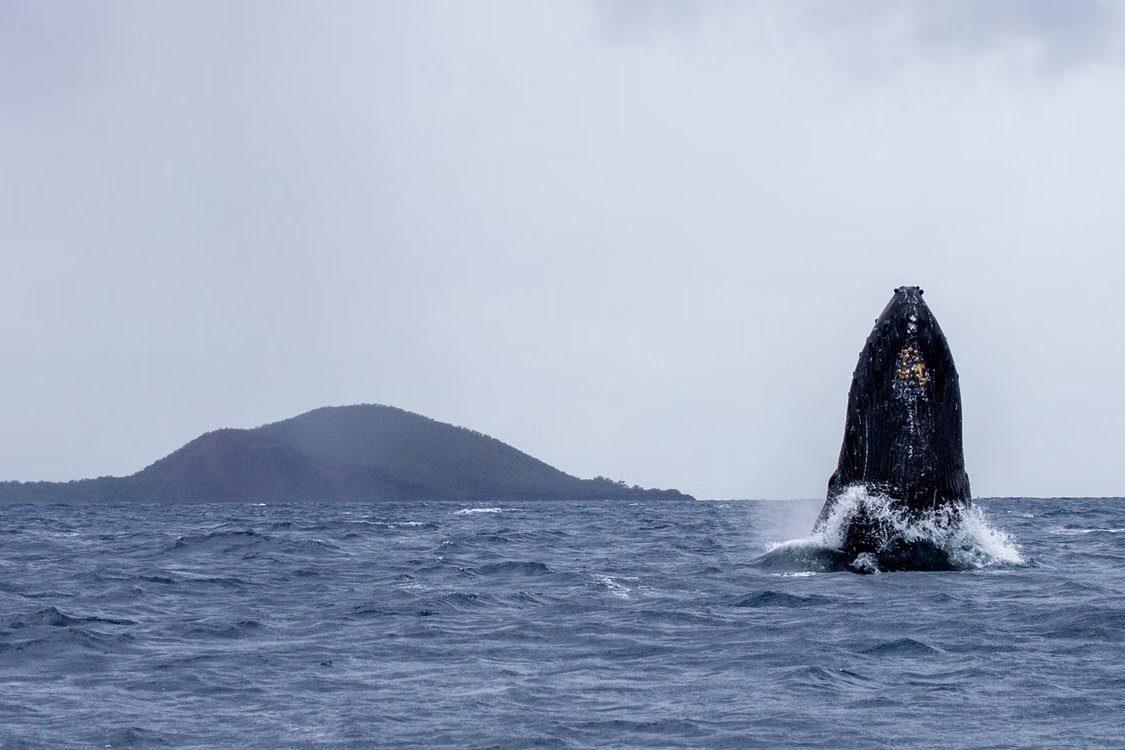
The humpback whale (Megaptera novaeangliae) is the most acrobatic of them all. It grows up to about 60 feet (18 m), weighs up to about 40 tons and is famous for its breaches and for the songs of the males. Some migrate about 5,000 miles (8,000 km) between their feeding grounds and the warm waters where they mate and give birth.
Humpbacks that spend the winter in Mexico belong to the so-called Mexico population: they breed along Mexico’s Pacific coast and around the Revillagigedo Islands, pass along the Baja California peninsula and feed from California to the Aleutian Islands in Alaska. In the United States, this population is listed as threatened under the Endangered Species Act.
For the 2026–2027 season, whale watching in the Cabo San Lucas Flora and Fauna Protection Area and in San José del Cabo is allowed from December 15, 2026 to April 30, 2027. The notice sets restricted zones due to heavy boat traffic, including the port area, which covers a 2-kilometer (1.2-mile) zone around the Arch of Cabo San Lucas. The same dates apply in Cabo Pulmo National Park. For more on the season in San José del Cabo, read our guide to whale watching in San José del Cabo.
How to Go Whale Watching in Baja California Sur Responsibly
- Book only authorized operators. Ask to see the boat’s permit or official flag.
- Don’t swim with whales. Mexican standard NOM-131-SEMARNAT-2010 prohibits swimming and diving during whale watching. Swimming is only allowed with whale sharks and orcas, in the authorized zones and with registered operators.
- Respect distances and time limits. The standard requires small boats to stay at least 60 meters (about 200 feet) from the whale and medium and large boats at least 80 meters (about 260 feet), with a greater distance for blue whales, no more than four boats per whale or group, and a maximum of 30 minutes of observation.
- Don’t touch or feed the animals and, if you swim with orcas, remember that sunscreen is prohibited.
- Remember that these are wild animals. No operator can guarantee a sighting.
FAQ: Whale Watching in Baja California Sur
When is whale watching season in Baja California Sur?
It depends on the area. For 2026–2027, the official notice sets December 15, 2026 to April 30, 2027 for Los Cabos, Cabo Pulmo, El Sargento and La Ventana, and the El Vizcaíno lagoons, and January 1 to April 30, 2027 for Magdalena Bay, Almejas Bay and Loreto.
Can you swim with whales in Mexico?
No. NOM-131-SEMARNAT-2010 prohibits swimming and diving during whale watching. In Baja California Sur you can swim with whale sharks in the Bay of La Paz and with orcas in the regulated zone off La Ventana, always with authorized operators.
Where can you swim with whale sharks in Baja California Sur?
In the Bay of La Paz, inside the authorized zone and with registered operators. The season usually runs from October to April, but it can be delayed or suspended if there are too few sharks.
Living Alongside the Giants
For those of us who live in Baja California Sur, this calendar is part of everyday life: spotting a blow from the beach in January, a weekend trip to Loreto in February or swimming with whale sharks in the Bay of La Paz. At Solo Baja, we know the region inside out and can help you find your place in it. Explore our properties in Baja California Sur.
Sources
- Mexico’s Ministry of Environment and Natural Resources (Semarnat). Official notice of the 2026–2027 whale watching season (“Aviso mediante el cual se da a conocer al público en general la temporada 2026-2027 para llevar a cabo actividades de observación de ballenas”). Diario Oficial de la Federación, October 30, 2026. View source.
- Semarnat. NOM-131-SEMARNAT-2010, Mexican standard for whale watching activities. View standard.
- NOAA Fisheries. 2026 abundance estimate for eastern North Pacific gray whales, July 15, 2026. View source.
- NOAA Fisheries. Species profiles: gray whale, blue whale, humpback whale and killer whale.
- Milenio. “Ballena azul comienza a recuperarse en Loreto; aumenta llegada de ejemplares,” May 26, 2026 (in Spanish). View article.
- Uno TV. “Ballena azul albina aparece en Bahía de Loreto,” March 6, 2026 (in Spanish). View article.
- UNESCO World Heritage Centre. “Islands and Protected Areas of the Gulf of California.” View source.
- Florida Museum of Natural History. Species profile: Rhincodon typus (whale shark). View source.
- IUCN. Red List of Threatened Species: Rhincodon typus. View source.
- Ramírez Macías, Dení. Thesis on whale sharks in the Gulf of California. Centro de Investigaciones Biológicas del Noroeste (CIBNOR), 2011 (in Spanish). View document.
- Posta BCS. Rules for whale shark tour operators in La Paz, November 24, 2025 (in Spanish). View article.
- Zeta Tijuana. “Por baja presencia de especímenes suspenden nado con el tiburón ballena,” February 2025 (in Spanish). View article.
- Uno TV. “¡Es legal! Baja California Sur aprueba nadar con orcas en La Ventana,” August 6, 2025 (in Spanish). View article.
- Aburto-Oropeza, Octavio, et al. “Large Recovery of Fish Biomass in a No-Take Marine Reserve.” PLOS ONE 6(8): e23601, 2011. View article.
Leave A Comment