
- +52 624 192 6788
Before San José del Cabo, This Land Was Called Añuití
Share:


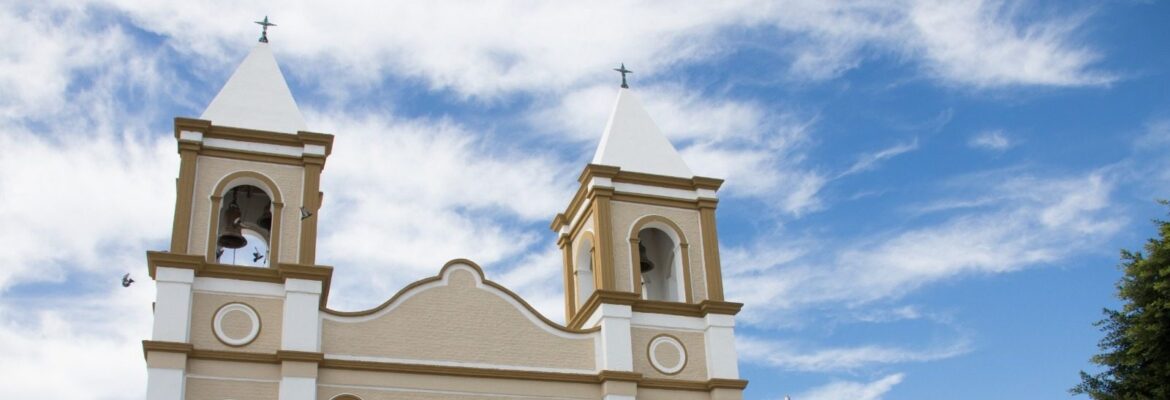
Every September, Mexico celebrates its history and national identity. At Solo Baja, we believe this is also an opportunity to remember that San José del Cabo is much more than beautiful beaches, resorts and remarkable landscapes: it is a land shaped by memory.
Long before Europeans arrived, the southern end of the Baja California Peninsula was inhabited by the Pericú people. These communities lived through fishing, hunting and gathering, maintaining a close relationship with the sea, seasonal streams and desert oases.
One of these oases was Añuití, the Indigenous name of the land where San José del Cabo would later develop. Its estuary and freshwater springs sustained life in the desert and eventually made the area a strategic stopping point for ships crossing the Pacific Ocean.
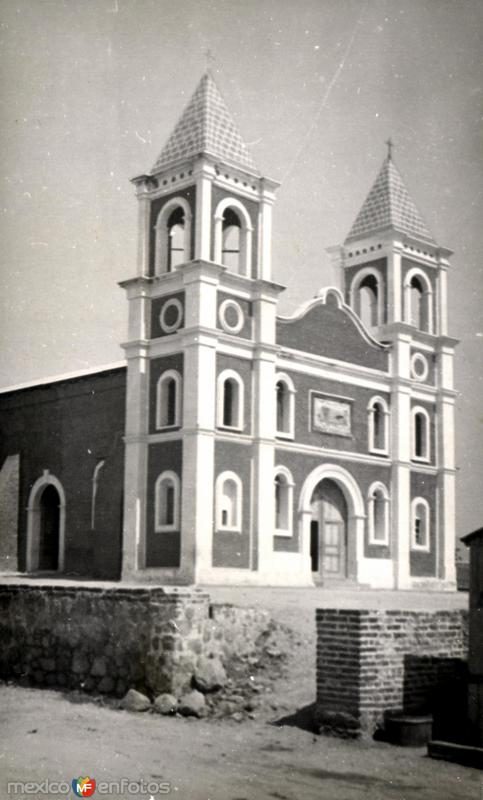
In 1730, the Mission of San José del Cabo Añuití was established. Its foundation profoundly transformed the lives of the region’s Indigenous inhabitants and marked the beginning of a period of resistance.
In 1734, the Pericú people led an uprising against the mission system. This event is essential to understanding that San José’s history is also one of defending territory, traditions and cultural identity.
Over time, a community dedicated to agriculture, ranching, fishing and trade developed around the mission and the estuary.
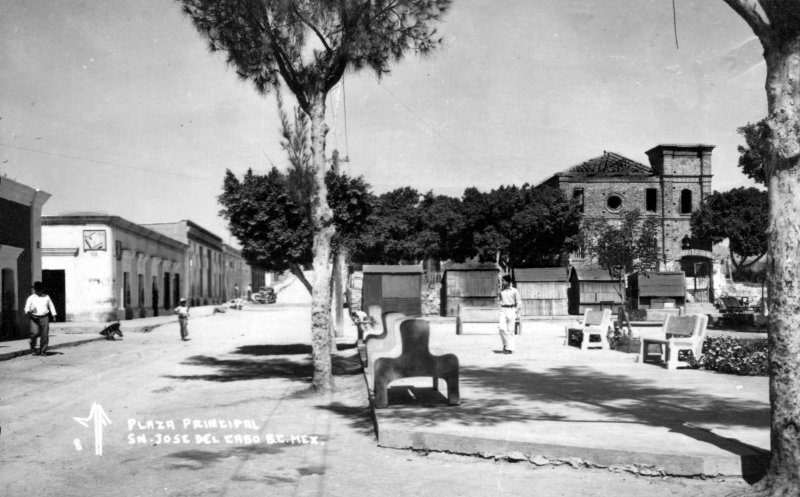
This history shaped the San José we recognize today in Plaza Mijares, its Historic District, surrounding ranching communities, the Gallery District and, most importantly, in the hospitality of its people.
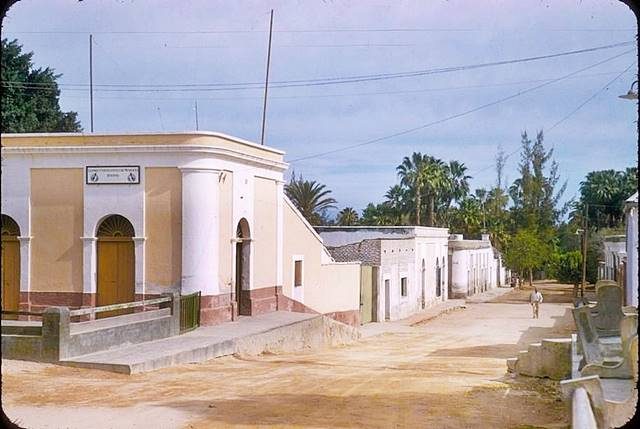
During Mexico’s Independence season, celebrating the country also means discovering the local stories that shaped the identity of its many regions.
San José del Cabo is not only a travel destination. It is an ancient oasis, a meeting point between cultures and a community that continues to grow between the desert and the sea.
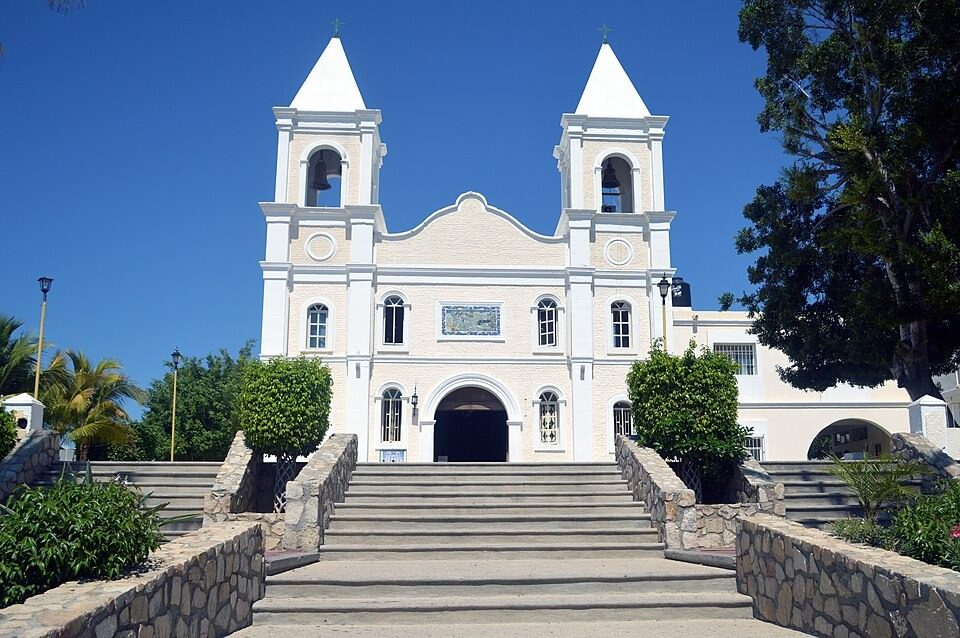
Before it became San José del Cabo, this land was Añuití. Learning its history is also a way of learning to love, respect and preserve it.
At Solo Baja, we believe that before finding your place in Baja, you should discover the land that makes it unique.
Patricia Vera
Sources
- Instituto Sudcaliforniano de Cultura. “Misión San José del Cabo Añuití (1730)”. Ruta de las Misiones de Baja California Sur.
- Secretaría de Turismo y Economía del Gobierno de Baja California Sur. “Misión Estero de las Palmas de San José del Cabo Añuití”. View source.
- Hinojosa, Salvador. La arquitectura misional en Baja California Sur. Gobierno del Estado de Baja California Sur, 1986.
- Mathes, Michael. Las misiones de Baja California. Editorial Aristos, 1997.
- Centro Histórico de San José del Cabo. “La Misión de San José del Cabo Añuití”. Read article.
- UC San Diego Library, Special Collections & Archives. Howard E. Gulick Photographs, 1950–1975. View historical collection.
- Wikimedia Commons. Misión de San José del Cabo Añuití, photograph by Max Goldberg (featured image, cropped), CC BY 2.0 license. View image.
- Wikimedia Commons. Church of San José del Cabo, photograph by Thelmadatter, CC BY-SA 4.0 license. View image.
.jpg)

These sources were consulted to document the origin of Añuití, the presence of the Pericú people, the founding of the mission and the historical development of San José del Cabo.